


17 September 2026
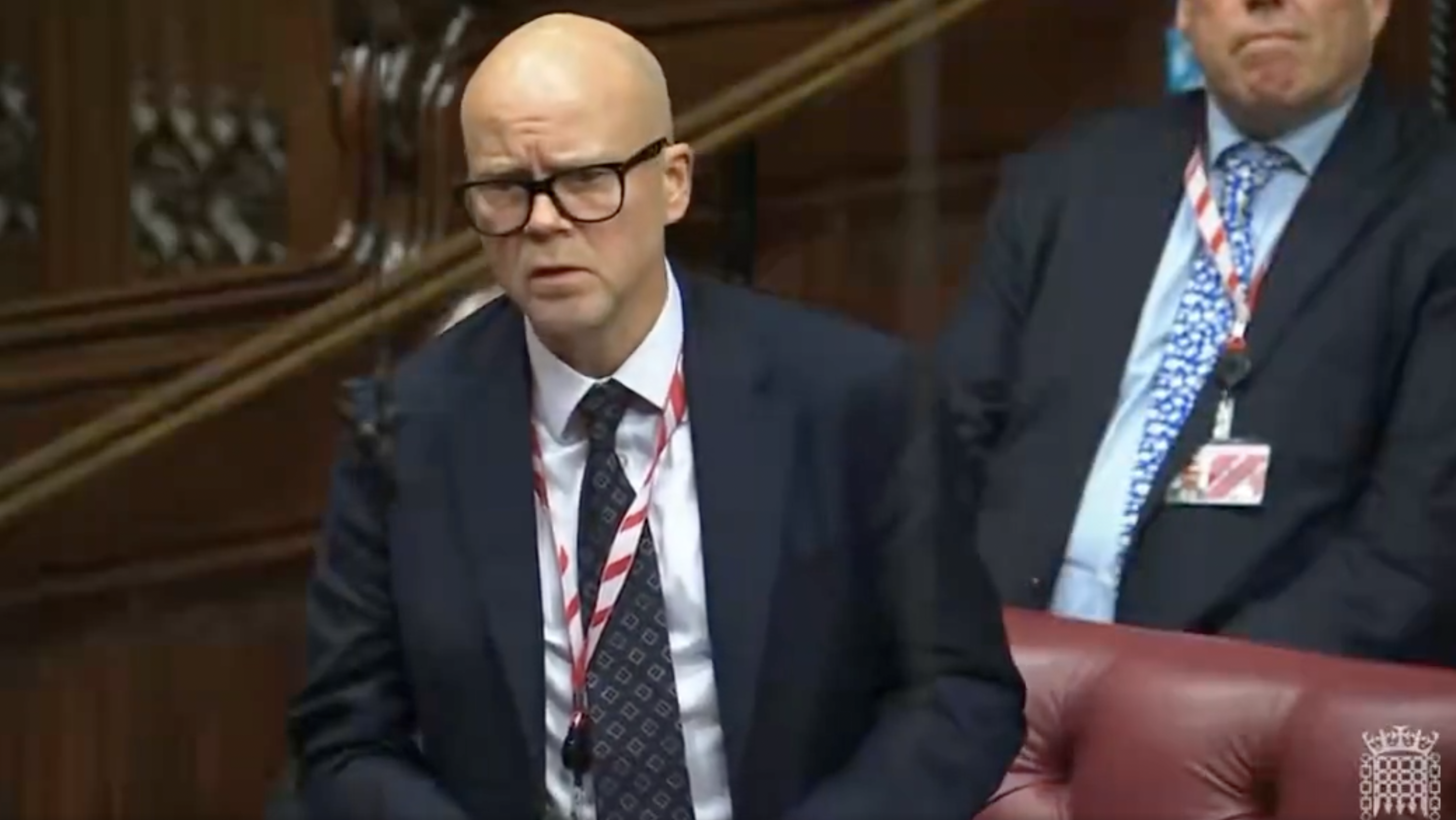
On Monday evening, the Representation of the People Bill returned to the House of Lords for its Second Reading. One of its provisions would lower the voting age from 18 to 16, enfranchising a further 1.7 million people.
Lord Young of Acton, the General Secretary of the Free Speech Union, made a contribution during the debate. He pointed out that if 16-year-olds are to be given the vote, a blanket ban on under-16s accessing social media does not make sense, since platforms like TikTok are where 12- to 15-year-olds get their news. How can they be expected to make an informed choice about who to vote for when they reach the age of 16 if they have been banned from those sites?
Age-gated democratic content
Lord Young also raised the content that social media platforms are currently age-gating at Ofcom‘s behest — such as the Shadow Housing, Communities and Local Government Secretary and Conservative MP Katie Lam’s speech in the House of Commons on grooming gangs, which cannot be watched on social media unless the viewer proves they are an adult. It makes no sense, he argued, to prevent 16- and 17-year-olds from watching speeches made in the House of Commons if they are going to be given the vote.
Activating the ‘keep up’ duties
The solution, according to Lord Young, is to activate the “keep up” duties in the Online Safety Act, so that social media companies cannot remove content of democratic importance (s17), news publisher content (s18) and journalistic content (s19). While all the “take down” duties in the Online Safety Act have been activated, many of the free speech safeguards in the Act have not.
When Ofcom finally gets round to activating those duties, he concluded, it should make clear to social media platforms that people of all ages — particularly 16- and 17-year-olds — should be able to access that vital democratic content.
You can watch Lord Young’s speech here.
Should 16-year-olds be barred from the news they need to vote?
The FSU’s General Secretary is pushing Ofcom to protect young people’s access to democratic content online. Join 45,000 members. From £29.99/year.