Authorized stablecoin distributors are approved intermediaries that connect token issuers to bank payment rails. They onboard customers, pool fiat deposits and redemptions, and interface with issuers so on-chain tokens can be created or destroyed against cash movements.
The model matters because most issuers restrict direct mint and redeem access to verified institutional customers. Retail users and many businesses reach fiat on and off ramps through exchanges, payment processors, OTC desks, wallets, and other distributors that have standing arrangements with the issuer. Regulation in the EU acknowledges this structure and can assign duties accordingly.
Under the EU Markets in Crypto-Assets Regulation, issuers of e-money tokens must publish redemption terms, and if they cannot meet redemption requests on time, contractual partners that distribute on their behalf may need to step in to redeem, per the text of MiCAR Regulation (EU) 2023/1114.
How distributors bridge mint and redemption to bank rails
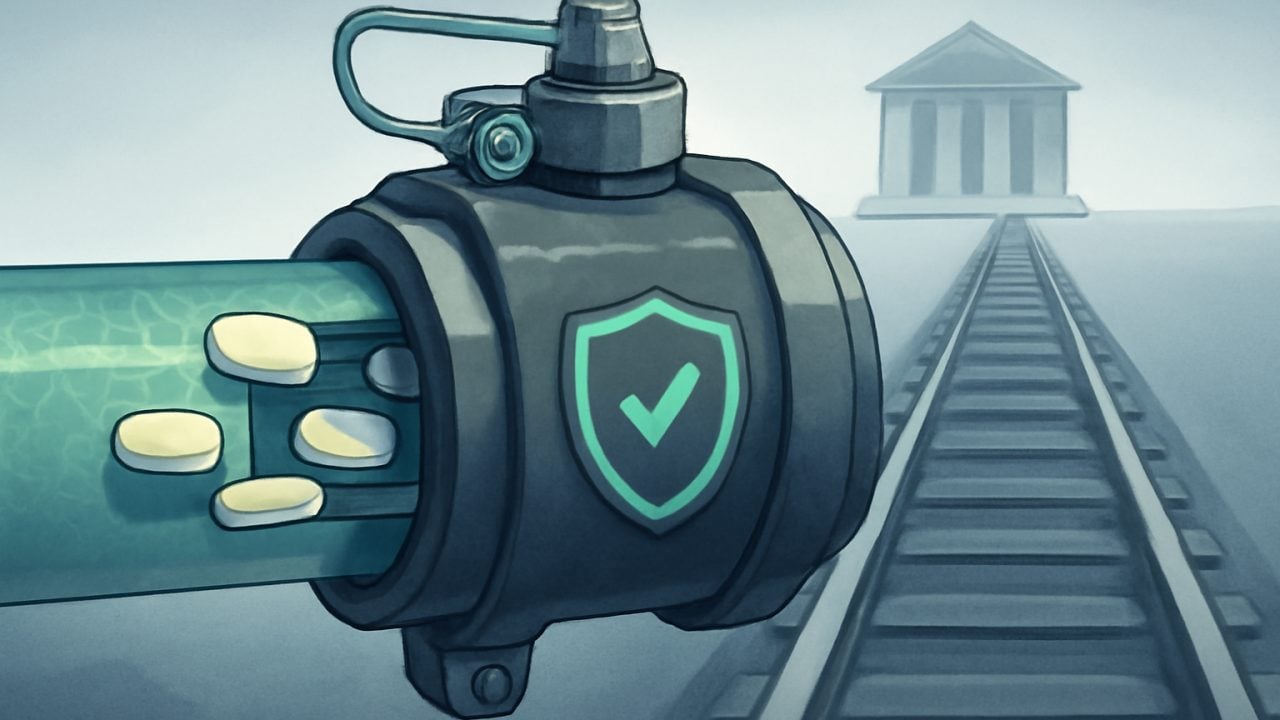
The core plumbing follows a mint and burn cycle. When a qualified customer of the issuer or an authorized distributor wires fiat to the issuer’s account, the issuer mints the equivalent stablecoins on-chain. On redemption, tokens are returned to the issuer, burned, and fiat is sent out through segregated reserves over bank rails. This flow is described in issuer materials for USDC and Circle Mint, which outline deposit to mint and deposit of tokens to redeem 1:1 in cash for eligible customers (Circle documentation).
Distributors operationalize this for a broader audience by handling KYC, payment initiation, treasury operations, and settlement timing, then batching requests to the issuer. The result is an accessible fiat bridge that still funnels primary-market creation and destruction through the issuer’s controlled process.
Who acts as a distributor and how they are approved
Issuers typically gate direct minting and redemption to verified institutional counterparties. For example, program terms from Paxos specify that only verified customers can purchase or redeem certain tokens directly, and Circle limits USDC primary redemption to approved Circle Mint customers and institutional liquidity providers (Paxos terms; Circle documentation).
To reach end users, issuers form distribution partnerships with exchanges, payment companies, custodians, OTC desks, and wallets. Circle’s public filings describe a Stablecoin Ecosystem Agreement with “approved participants,” including revenue-sharing arrangements that align incentives for distribution and liquidity provision (Circle S-1/A, May 2025).
Contracts, incentives, and redemption duties
Distribution relationships are contractual. They define customer eligibility, onboarding standards, settlement windows, and payment terms. Issuers may pay distributors from an agreed payment base, with issuer retention and partner compensation spelled out in the agreements, as noted in Circle’s prospectus (Circle S-1/A).
In the EU, these contracts intersect with regulatory obligations. MiCAR requires e-money token issuers to state redemption conditions in a whitepaper and contemplates that, if the issuer does not meet redemptions in time, obligations can extend to third parties that distribute on the issuer’s behalf. This formalizes a role distributors already play and clarifies potential responsibilities in stressed conditions (MiCAR).
Operational and compliance flows in practice
Distributors handle identity verification, institutional onboarding, and banking logistics. Some programs set minimum redemption sizes, require selection of a receiving bank, and settle over multiple business days. Tether Gold’s XAU₮ materials illustrate these steps, including KYC and minimums for redemptions and wiring instructions for cash or delivery pathways (Tether Gold FAQ).
Partner-led distribution is also common. Paxos issues partner-branded stablecoins and brings them to market through large platforms. PayPal’s PYUSD, issued by Paxos, became available through PayPal’s distribution channel, showing how a household-name platform can serve as the front door for onboarding and redemptions while the issuer manages reserves and on-chain actions (Paxos terms and product pages).
Step-by-step: mint and redeem via a distributor
- Onboarding. The user completes KYC with a distributor such as an exchange, wallet, or payment processor.
- Deposit. The user funds their account by bank transfer or card. The distributor aggregates fiat flows.
- Primary interaction. The distributor, as an approved participant, funds the issuer or maintains a balance with the issuer to request mints, per issuer procedures documented for USDC and similar tokens (Circle documentation).
- Token delivery. The distributor credits the user with stablecoins on-chain or in-account.
- Redemption request. The user returns tokens to the distributor. The distributor presents tokens to the issuer for burn and requests fiat from reserves.
- Cash settlement. Fiat arrives to the user’s bank via wire or ACH, subject to settlement windows and any minimums or fees disclosed in the distributor or issuer program terms (Tether Gold FAQ).
Limits, risks, and common misconceptions
Bank dependencies. Reserve-backed stablecoins rely on commercial bank partners and liquidity of reserve assets for fiat settlement. Research highlights that disruptions to banking relationships or reserve liquidity can interrupt mint and redeem activity, as seen when banking stress in March 2023 affected crypto-facing payment flows (IMF Working Paper WP/2025/141).
Redemption is procedural, not instant. Even for fully reserved models, operational steps like KYC checks, cutoff times, and wire settlement can introduce delays. Some products also set minimum redemption sizes, as reflected in XAU₮ materials (Tether Gold FAQ).
Distributors are not universal guarantors. In the EU, distributors may assume redemption obligations only under the conditions and contracts contemplated by MiCAR. Outside such frameworks, their role is to facilitate, not to guarantee, unless explicitly stated in agreements (MiCAR).
Primary-market access is restricted. Many users assume they can mint or redeem directly with the issuer at any time. In practice, issuers limit direct access to verified customers, pushing most activity through authorized distributors and exchanges (Paxos terms; Circle documentation).
Where you encounter authorized distributors in practice
You use a distributor when you buy or sell stablecoins through a centralized exchange, wallet app, payment platform, or OTC desk that offers fiat deposits and withdrawals. Corporate treasurers also interact with distributors for payroll, settlement, or cross-border transfers where the platform handles onboarding and bank transfers, while the issuer manages token minting and burning behind the scenes.
In Europe, you may see distributors named in an e-money token whitepaper or platform disclosures, reflecting MiCAR’s recognition of their role and potential responsibilities. In all regions, look for clearly stated mint and redeem procedures, eligibility criteria, and settlement timelines in issuer and platform documentation.
Frequently Asked Questions
Are distributors the same as exchanges?
Exchanges often act as distributors, but distributors can also be payment companies, OTC desks, wallets, or custodians. The common element is a contractual relationship with the issuer to facilitate fiat on and off ramps.
Do distributors guarantee 1:1 cash redemption?
They facilitate redemption under issuer and program terms. In the EU, MiCAR contemplates that distributors may need to redeem if an issuer misses the stated redemption window, subject to contracts and scope defined in the whitepaper and agreements.
Can retail users mint or redeem directly with an issuer?
Usually not. Issuers commonly restrict primary mint and redeem access to verified institutional customers. Retail users transact through distributors or exchanges that are onboarded with the issuer.
How are distributors compensated?
Compensation and revenue-sharing are set by contract. Circle’s filings describe a payment base from which issuer retention and amounts payable to approved participants are deducted, aligning incentives for distribution and liquidity support.
What happens if bank rails are disrupted?
Mint and redeem activity can slow or pause because cash legs settle through banks and reserve assets. Research documents that banking stress can impact these flows until relationships or liquidity are restored.
Disclaimer: This article is provided for informational purposes only. It is not offered or intended to be used as legal, tax, investment, financial, or other advice.