
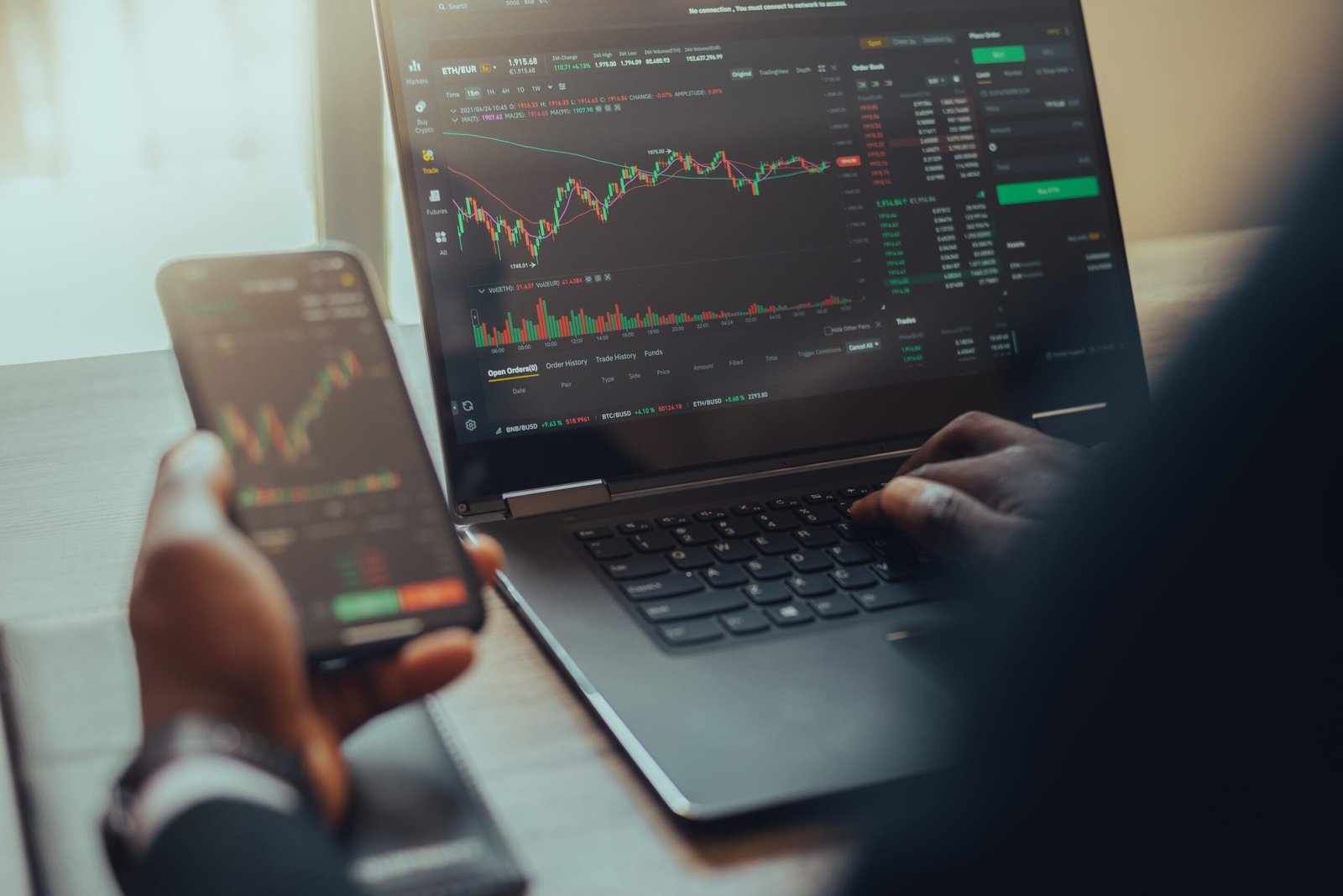
Something is changing in online trading.
Not slowly. Not quietly. And definitely not accidentally.
For years, trading platforms were built around complexity. Multiple windows, outdated layouts, overloaded dashboards, and systems that felt designed more for institutions than real users.
But modern traders think differently now.
They grew up in a world shaped by mobile technology, instant access, crypto markets, AI-driven tools, and real-time digital experiences. That shift is forcing the entire trading industry to evolve much faster than before.
Platforms like Insipix are starting to reflect what this new era of trading actually looks like.
Trading Is Becoming a Digital Lifestyle
A few years ago, online trading felt highly technical and disconnected from everyday life.
Today, trading feels global and constantly connected.
People monitor Bitcoin while sitting in cafés. Investors react to financial news directly from smartphones. Markets move in real time across social media before traditional financial television networks even catch up.
Modern trading is no longer tied to office desks or traditional brokerage environments.
It has become faster, more mobile, and deeply integrated into how people already live digitally.
That transformation is changing what users expect from trading platforms.
Why Traders Are Becoming More Selective
The fintech industry became crowded very quickly.
Every platform promises smarter tools, tighter spreads, AI technology, and “the future of finance.” But underneath the marketing, many platforms still feel nearly identical.
This is where user experience suddenly matters more than ever.
Modern traders increasingly care about platform speed, interface simplicity, mobile functionality, and how naturally the experience fits into their daily routines.
The platforms attracting attention today are usually the ones reducing friction instead of adding more complexity.
That’s one reason platforms like Insipix are starting to appear more often in conversations around modern fintech and digital trading.
Crypto Changed Trader Expectations Permanently
The crypto industry accelerated this evolution dramatically.
Bitcoin didn’t just create a new asset class. It changed trader behavior entirely.
Markets became nonstop, globally connected, emotionally reactive, and driven by speed. Traditional financial systems struggled adapting to that reality.
Modern users now expect real-time interaction, seamless market visibility, and fast access across multiple financial ecosystems.
That expectation is reshaping fintech itself.
The platforms that adapt fastest to this digital-first environment are often the ones gaining momentum with newer generations of traders.
The Future of Trading Is Becoming Simpler
Ironically, as trading technology becomes more advanced, the best platforms are becoming simpler to use.
Modern traders don’t necessarily want more complexity.
They want platforms that feel intuitive, stable, responsive, and fast during volatile market conditions.
That’s becoming one of the biggest differences between older brokerage systems and newer fintech environments.
The future of trading may not belong to the platforms with the most features.
It may belong to the platforms creating the smoothest overall experience.
Fintech Is Entering Another Major Shift
The first fintech wave disrupted traditional banking.
The next wave appears centered around digital-first finance, mobile accessibility, AI-assisted tools, crypto integration, and connected financial ecosystems.
This is especially important because younger generations are entering markets through smartphones and digital platforms rather than traditional financial institutions.
That behavioral shift may become one of the biggest forces shaping finance over the next decade.
Final Thoughts
The future of trading no longer feels like the past.
It feels faster, more connected, more mobile, and more digital.
And increasingly, traders are choosing platforms based not only on market access — but on overall experience.
Platforms like Insipix reflect this broader transition happening across fintech and online finance.
Because modern traders no longer want systems built for yesterday’s markets.
They want trading environments designed for how the financial world works now.
Frequently Asked Questions
Why are traders moving toward digital-first platforms?
Modern users increasingly expect faster execution, cleaner interfaces, mobile accessibility, and smoother interaction with financial markets.
How did crypto change online trading?
Crypto introduced nonstop global trading activity and accelerated demand for faster and more connected digital trading experiences.
Why is user experience becoming so important in fintech?
Today’s traders interact with markets across multiple devices and highly volatile environments. Simpler and faster platforms improve usability during real-time market conditions.
Is mobile trading becoming the standard?
Yes. A growing number of traders now manage crypto, stocks, forex, and commodities directly from smartphones and tablets.
Why are newer fintech platforms getting attention?
Many newer platforms are designed around modern online behavior rather than older legacy brokerage systems built for traditional finance environments.
What matters most to modern traders today?
Speed, usability, stability, mobile performance, and real-time accessibility are becoming increasingly important across online trading platforms.
Is the trading industry still evolving rapidly?
Absolutely. AI, digital finance, crypto adoption, and changing investor behavior continue reshaping global fintech markets.