
Dormant Bitcoin wallets are showing fresh signs of life. Despite that, each movement appears to tell a different story.
On one hand, a 500 BTC wallet valued at approximately $31.3 million was activated after being dormant for 12.7 years. The activation is indicative of increased activity among long-term holders.

That transfer also pushed dormant movements above 935 BTC from wallets inactive for over ten years on the 3rd of August, marking the highest daily level since March. Shortly afterward, another dormant whale moved 16,400 BTC worth roughly $1.04 billion. This wallet made the move after seven months of inactivity.
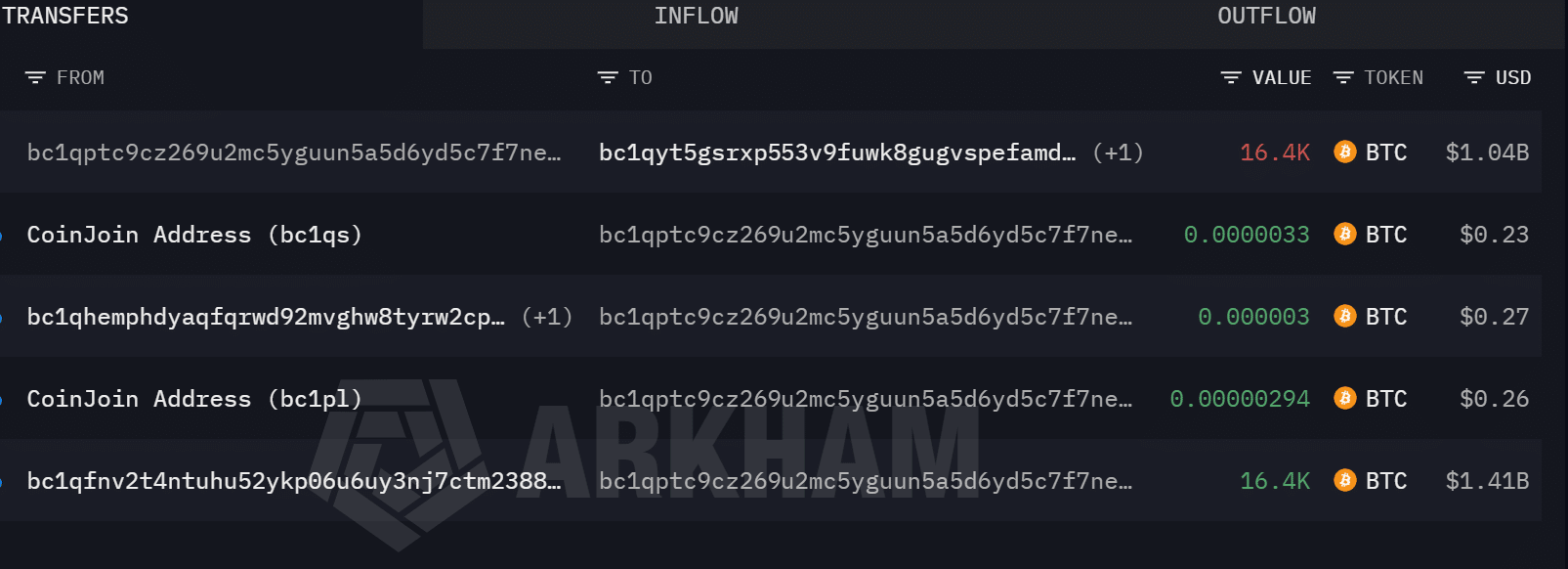
Rather than heading to exchanges, most of those coins moved to a new address, reducing concerns about immediate exchange selling. However, the destination alone does not prove self-custody or a security-related migration.
Concerns surrounding a suspected Coldcard exploit have raised questions about the timing of both transfers. However, wallet-level evidence has not directly linked either movement to the suspected exploit.
Could Coldcard explain the transfers?
That pattern shifts attention from where dormant Bitcoin moved to how those transfers were executed. Rather than flowing toward exchanges, the old UTXOs were consolidated into newly generated addresses while post-transfer activity remained limited.
Those characteristics may resemble historical security migrations, although they do not establish the holders’ motives. The timing has nevertheless drawn additional scrutiny because the movements coincided with concerns surrounding the suspected Coldcard exploit.
Together, these signals increase the plausibility of cautious wallet management. Still, it does not confirm this as the sole reason.
Sustained monitoring of exchange inflows, address reuse, and post-transfer activity will ultimately determine whether security concerns or broader market factors drove these dormant whale movements.
Long-term holder supply stays resilient
The reactivation of dormant Bitcoin wallets carries greater context when combined with broader on-chain data. Long-Term Holder Supply remained stable, but this metric cannot establish where these specific coins moved.
Exchange reserves also remain near 2.7 million BTC, while entity-adjusted inflows have stayed subdued. Together, these signals weaken the case for broad distribution. However, wallet migration alone cannot confirm market intent.
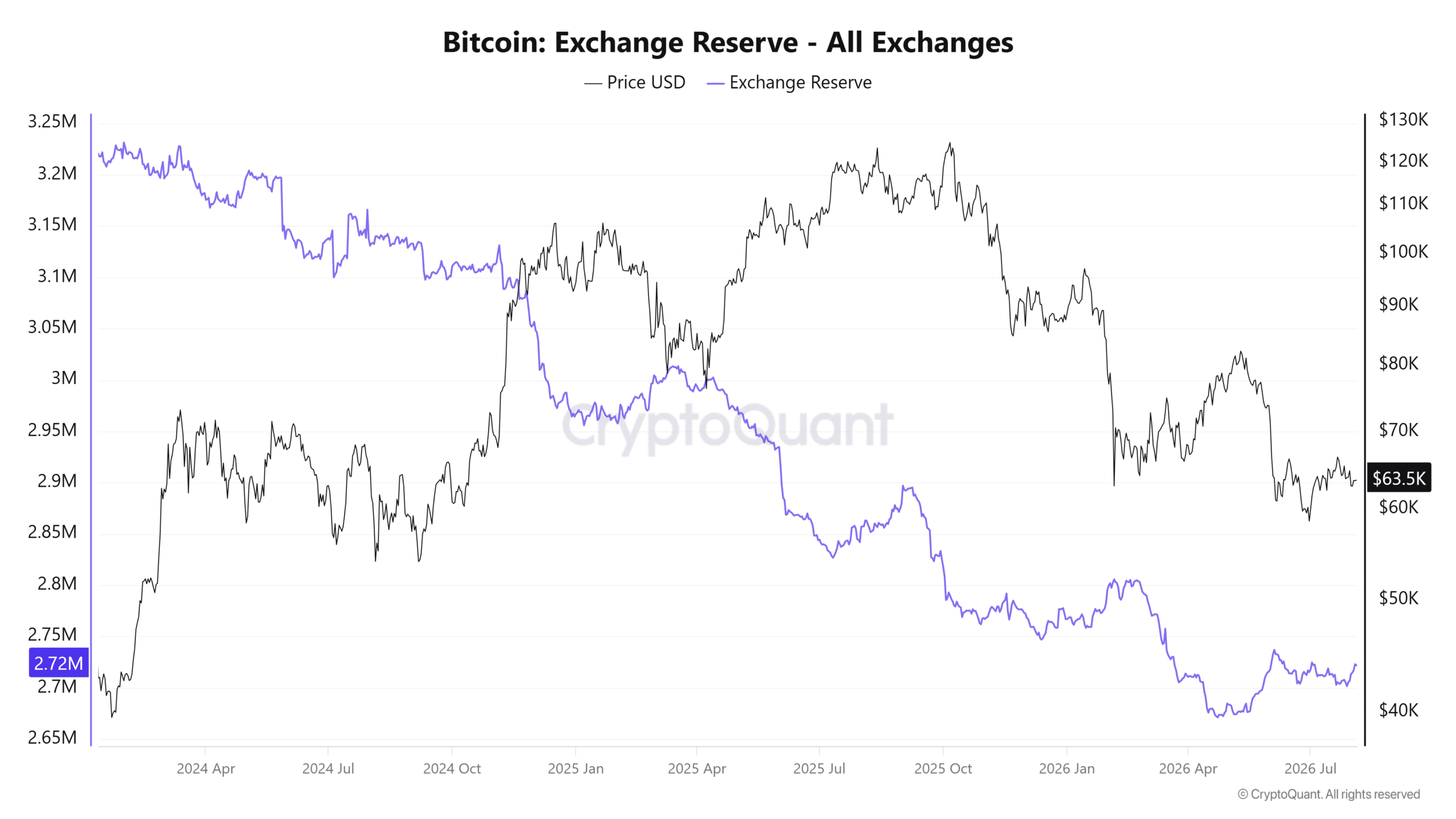
Instead, future changes in long-term holder supply and exchange reserves will determine whether these transfers reflect precautionary security measures or the beginning of broader liquidity shifts.