


Micro-caps live and die on liquidity. One big unlock can feel like someone opened a fire hydrant into a kiddie pool. RollX’s ROLL token is about to test that idea the hard way.
Several trackers flag a major unlock hitting around July 16, 2026. The size isn’t perfectly agreed on, which is half the story. Regardless, the percentage versus current float is large enough that even a modest amount of selling could move price.
Let’s break what we can know, what we can’t, and how to avoid getting chopped up by an unlock that might be larger than the entire daily volume by a country mile.
| Point | Details |
|---|---|
| Unlock size and timing | Trackers flag July 16, 2026 with size in the 33–43M ROLL range. Gate News (citing RootData) shows ~33.33M, while KuCoin Insight lists ~43.06M. |
| Market size right now | CoinGecko shows price ~$0.05508, circulating ~155M, market cap ~$8.54M (snapshot 2026-07-15). DropsTab shows market cap ~$8.58M, 24h volume ~$113.53k. |
| Proportional shock | 33.33M would be ~21.5% of current circulating. 43.06M lines up with the 27.8% cited by KuCoin. Either way, this is a high-beta unlock for a micro-cap. |
| Absorption capacity | Daily volume under $120k means even single-digit millions in fresh supply can’t be digested quickly if recipients sell. Slippage risk is high. |
| Key watch items | Exchange inflows from unlock addresses, order-book depth, new-market listings, OTC facilitation, and any team communication about market support or lockups. |
| Baseline risk | Elevated. If selling is coordinated or staggered, damage can be limited. If recipients rush to exit into thin books, downside can snowball fast. |
What a 27.8% unlock really means for a thin market
In a liquid large cap, a 20 to 30 percent unlock might be a nonevent. There are buyers everywhere, market makers are deep, and news flow can distract from supply. In a micro-cap, the same percentage can be the whole story for weeks.
Think of float like oxygen in a room. Add a little more and no one notices. Add a lot at once and the temperature changes. A 27.8 percent potential unlock, if it trades, changes who sets price. It can flip a market from holder-driven to recipient-driven overnight. That shift shows up as wider spreads, deeper red candles on thin prints, and a steady grind when bids back away after the first hit.
It doesn’t mean price must dump. It means the odds of mispriced liquidity are higher. If the project team and recipients handle it with care, the market might absorb it over time. If not, thin books can turn a trickle into a cascade.
Sizing the float shock: numbers, ranges, and why sources disagree
There’s already a discrepancy about how big this unlock is. That matters because the market trades headlines when data is messy.
| Tracker | Reported unlock | Implied value | Notes |
|---|---|---|---|
| Gate News (citing RootData) | ~33.33M ROLL | ~$2.12M (their estimate) | Likely priced at a prior snapshot. At $0.055, this is closer to ~$1.8M. |
| KuCoin Insight | ~43.06M ROLL | ~$3.16M (their estimate) | KuCoin pairs this with “27.78% of circulating” flag, which tracks with a thin float. |
| CoinGecko | Circulating ~155M | Market cap ~$8.54M | Live snapshots vary. Use for context, not a fixed truth. |
| DropsTab | Large components around July 16 | 24h vol ~ $113.53k | Confirms timing and the thin trading backdrop. |
Why the spread between 33M and 43M? Vesting dashboards often pull from different contracts or account for claimable tokens differently. Some count ecosystem or rewards buckets separately. Some measure against “circulating” while others use total allocated to a tranche. If you’re trading the event, plan for the upper bound but size for uncertainty.
At ~155M in circulation, 33.33M is roughly 21.5 percent added float. 43.06M lines up with ~27.8 percent. Neither number is small relative to the pool of active buyers we can actually see on screens.
Liquidity reality check: order books, volumes, and who absorbs the sell side
Let’s talk actual pipes. DropsTab shows about $113k of 24-hour volume heading into the date. That’s a thin pipe for any unlock measured in millions of dollars. Even if half the recipients are committed holders, the tradable overhang is meaningful.
Where can absorption come from?
- Programmatic market makers who have both sides quoted but will widen and reduce size into uncertainty.
- OTC desks matching unlock recipients with buyers off-exchange to avoid slippage. This depends on coordination and advance planning.
- New listings that bring fresh eyeballs and deeper books, though relying on a listing pop is a risky bet.
- Staking or lock options that encourage recipients not to sell immediately, if available and credible.
What makes absorption fail?
- Uncoordinated transfers from vesting wallets directly into exchange deposit addresses in the hours after the cliff.
- Leverage. If there are perps or margin markets, a quick dip can be amplified by liquidations.
- Narrative slippage. If social channels frame the unlock as a rush for the exits, bids tend to step back.
Pro tip: Before unlock, check live order-book depth at 2, 5, and 10 percent from mid on main venues. If a few tens of thousands in notional clears multiple levels, treat every market order like a potential air pocket.
Seller behavior: who might sell and who probably won’t
We don’t have a perfect breakdown of ROLL’s recipient categories for this date, so think in terms of typical buckets and incentives.
Likely to trim
- Early investors who reached or passed their cost basis long ago. Many funds de-risk on cliffs, especially if the market is soft.
- Grant or ecosystem recipients who need cash, have no lock requirements, and see limited utility holding the token.
- Service providers paid in tokens who must cover fiat expenses.
Likely to stagger or hold
- Core team with long-term alignment and visibility on roadmap catalysts. They might spread sales or avoid centralized venues near unlock.
- Market makers operating inventory bands rather than directional bets. They will lean into two-sided flow but won’t catch a falling knife indefinitely.
- Community allocators with public commitments to lock or stake, if those mechanisms exist and have credible yields.
In short, unlock recipients are not a monolith. Even a modest share selling into a thin tape can set price in the short term, though, so incentives matter more than the headline number.
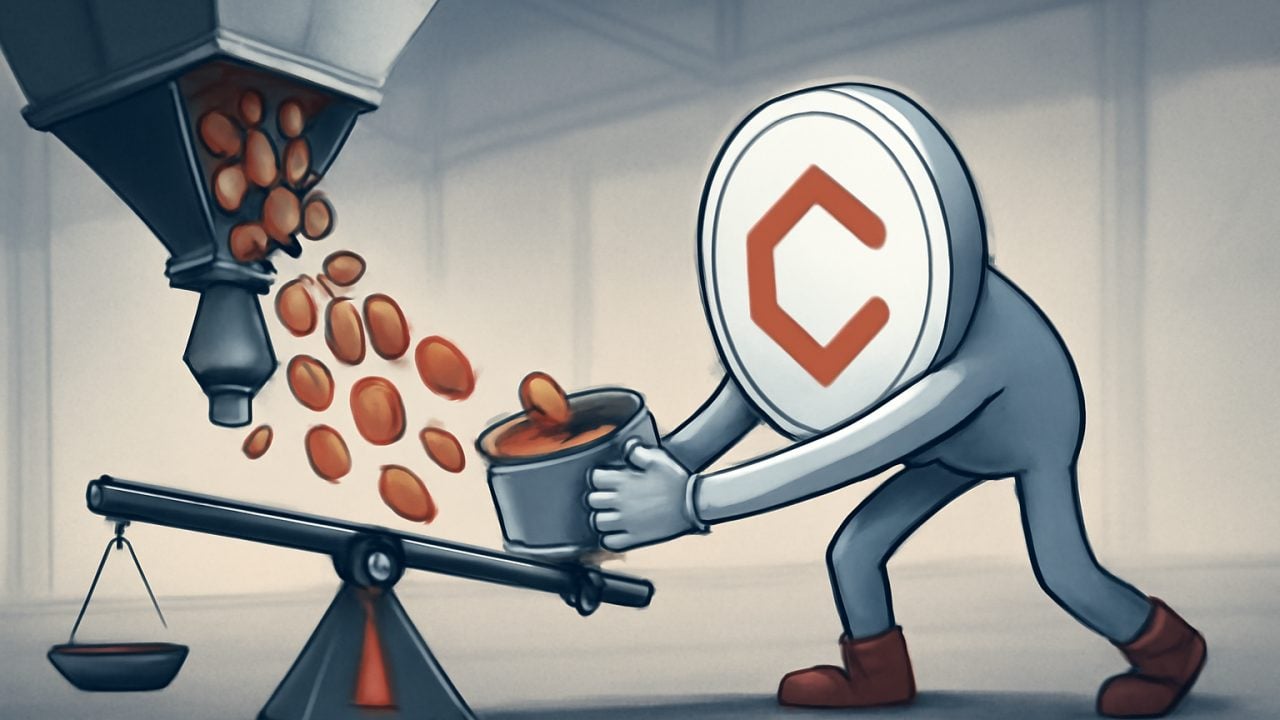
Playbook for traders: prepare before the clock hits July 16
Pre-event checklist
- Confirm the schedule on multiple trackers. Cross-reference KuCoin Insight, Gate News, and the DropsTab vesting page.
- Map the venues. Where does ROLL trade with real size, and what are the maker fees, taker fees, and withdrawal times?
- Depth snapshot. Write down the notional to move price 2 percent on your venue. Recheck just before unlock. If it thins out, adjust size.
- Borrow lines. If there are perps or margin markets, ensure borrow availability and rates before the event, not after.
- OTC ping. If you plan size, speak to a desk about a firm price. Slippage insurance can be worth the time.
Execution tactics
- Use limit orders and ladder entries. Don’t market sell into a vacuum.
- Wait for the first wave. Often you’ll see an initial flush, a reflexive bounce, then the real direction. Let the book show its hand.
- Track exchange inflows. If labeled vesting wallets start hitting deposit addresses, that’s your cue that flow is active.
- Mind funding and basis. If perps go deeply negative and spot holds, the market may be near exhaustion. If perps stay bid while spot bleeds, expect further pressure when leverage unwinds.
Risk framing
- Size smaller than you think. Liquidity can disappear mid-trade.
- Have invalidation levels. If the book thins or venue risk rises, step away.
- Avoid overconfidence on exact unlock size. Plan for a range. Markets punish precision that isn’t real.
Pro tip: Build scenarios in advance. If unlock is 33M and quiet, what do you do? If it’s 43M and OTC-coordinated, what changes? If tokens hit CEX quickly and perps gap down, where do you stop?
For builders and treasuries: how to avoid a self-inflicted dump
If you’re on the project side, unlock days are a test of basic market hygiene. A few simple moves can save months of momentum.
- Coordinate with recipients. Provide OTC options and windows ahead of the cliff. Quiet, matched flow beats panic selling into public books.
- Brief market makers. Make sure they know the expected ranges and any team constraints. Their job is easier if they aren’t surprised.
- Communicate clearly. Publish a short note summarizing what is unlocking, who receives it, and what commitments exist around selling. Transparency reduces rumor volatility.
- Reward patience. If you can credibly offer staking or time-locked boosts without inflating supply further, do it early, not on the day.
- Avoid reactive buybacks. If you have a treasury, don’t chase price down intraday. Set rules and stick to them.
None of this guarantees a smooth market. It just stacks the odds that the unlock becomes a managed event rather than the main character for a month.
Red flags and landmines: things that make unlocks go bad
- Exchange wallet pings from known vesting addresses within hours of unlock.
- Depth that looks okay on the surface but is pulled the second price wobbles. Spoofing and fade-outs are common around events.
- Leverage trapped the wrong way. If perps were used to pre-position and the crowd is offside, volatility can double.
- Silence from the team when the market is begging for clarity. When nobody speaks, narratives set price.
- Macro headwinds or a concurrent alt drawdown that drains marginal bids just when you need them.
On the flip side, what helps? Early OTC matches, a calm socials channel, and a visible path to utility that makes holding make sense for non-speculative recipients. These are cultural choices as much as they are market-structure choices.
If you want ongoing, no-drama coverage of token mechanics and what they mean in practice, you’ll usually find it first on Crypto Daily. We track the incentives and the tape, not just the headlines.
Frequently Asked Questions
How big is the ROLL unlock and when does it hit?
Trackers point to July 16, 2026. Reported size varies. Gate News cites ~33.33M ROLL, while KuCoin Insight lists ~43.06M and flags it as roughly 27.8 percent of float.
Does price always fall after a big unlock?
No. It depends on who receives tokens, whether they sell, and how well the project coordinates OTC or liquidity support. Thin markets do raise the odds of volatility, but outcomes vary.
What should I watch on the day?
Exchange inflows from vesting addresses, order-book depth at main venues, funding and basis on perps if they exist, and any public statements from the team about sales, staking, or OTC channels.
How long can selling pressure last?
Anywhere from a few hours to several weeks. If recipients drip into the market or if the unlock is part of a multi-month schedule, pressure can be persistent. If OTC absorbs most of it, the impact can be brief.
Is the unlock already priced in?
Sometimes. Markets often front-run cliffs, but micro-caps can misprice because data is inconsistent and depth is shallow. Treat it as a scenario, not a certainty.
Where can I verify ROLL’s live stats?
For snapshots and context, check CoinGecko. For vesting specifics and upcoming dates, look at DropsTab. Cross-reference multiple sources because numbers can differ.
What if there’s a last-minute change to the schedule?
It happens. Vesting contracts can be paused or recipients may delay claiming. If timing shifts, liquidity that positioned for an event can unwind quickly, leading to a squeeze. Keep position sizes sensible.
Disclaimer: This article is provided for informational purposes only. It is not offered or intended to be used as legal, tax, investment, financial, or other advice.