


Picture this: spot ether ETFs report a multi-session inflow streak, but the broader quarter still lands in the red. At the same time, NFT volumes on Ethereum are barely a blip compared to what they were. And yet, tens of billions remain parked in DeFi.
That’s the split-screen right now. Institutions are methodically sizing into Ethereum exposure. Retail? Mostly quiet, scrolling past it.
This isn’t a neat bull-or-bear story. It’s an attention gap.
The Big Picture
Editor’s note: In Q1–Q2 2026 I kept hearing the same refrain from desks: “We’re long plumbing.” Even as ETH ETFs swung from chunky outflows in June to a cleaner inflow streak by mid-July, the real action was in basis, custody upgrades, and L2 settlement savings. I watched a few funds rotate from narrative plays into spread capture and fee compression. Meanwhile, NFT chatter on my feeds went quiet, but TVL barely budged. It’s not apathy so much as different clocks. The allocators I talk to think in quarters; retail trades vibes. That divergence is shaping how liquidity lands on Ethereum. — Lena Carter
Ethereum sits in a weird spot: stronger institutional rails than ever, but softer retail energy. U.S. spot ETH ETFs saw net outflows in Q2 2026, yet July opened with fresh inflows. On-chain, active address counts are decent, but the buzzier corners like NFTs look sleepy. Meanwhile, DeFi keeps a stubbornly large base of capital.
Institutions are optimizing exposure and fees; retail is optimizing attention and narratives. Right now, the fee math is louder than the memes.
Who’s affected? Traders trying to map flows. Builders wondering where users went. And allocators timing re-entries. The gap matters because it shapes liquidity, volatility, and how new products get adopted.
What Changed Since the Last Cycle
From memes to mandates
In the 2021–2022 peak, retail attention drove a lot of Ethereum’s surface-level activity. NFTs boomed, gas spiked, and timelines were chaotic. Today, the stack looks institutionalized. Compliance teams have checklists. ETFs exist. Risk is bucketed and benchmarked. That doesn’t mean retail won’t come back. It means the marginal buyer is different.
Macro made boring cool again
With rates elevated and volatility choppy, slow-and-steady strategies regained appeal. Basis trades, covered calls, delta-neutral yield — not the kind of stuff that trends on social feeds, but right up the alley of funds that answer to an investment committee. Ethereum’s programmable yield sources and deep derivatives market naturally fit that playbook.
How Institutions Now Access Ethereum
The menu got bigger and cleaner. Here’s a simplified map of how professional desks typically show up in ETH today.
- Start with a liquid, auditable wrapper (spot ETFs, listed futures) for headline exposure.
- Add basis or carry trades using CME futures or options to harvest spreads.
- Layer staking-adjacent strategies via regulated products where mandates allow.
- Use custodians or prime brokers for operational plumbing and reporting.
- Selective on-chain activity (often via whitelisted venues or L2s) when risk teams are comfortable.
Wrappers vs. raw tokens
ETFs, futures, and ETPs reduce friction and compliance overhead. Direct token custody unlocks composability but increases operational load. Most institutions mix both, evolving as sign-offs accumulate.
| Access Route | Typical User | Pros | Tradeoffs |
|---|---|---|---|
| Spot ETH ETFs | RIAs, multi-asset funds | Simple entry, reporting, liquidity | Fees, tracking, limited on-chain utility |
| Listed Futures (CME) | Hedge funds, prop desks | Leverage, basis trades, liquidity windows | Margin, roll costs, basis risk |
| Custodied Spot (direct) | Crypto-native funds, family offices | On-chain access, staking optionality | Ops complexity, key/custody risk |
| Structured Notes/ETPs | Private banks, UHNW | Custom payoff profiles | Counterparty risk, opacity |
Signals From On-Chain and ETFs
ETF flows: noisy week, sober quarter
Two truths can coexist. On July 9, 2026, ether ETFs logged about $70 million in net inflows, the fifth straight day of positive prints, per CoinDesk (Markets). But step back: U.S. spot ETH ETFs still recorded roughly $690 million in net outflows for Q2 2026, according to CoinDesk Research. That’s the attention gap in numbers — hot streaks inside a cooler quarter.
On-chain: capital is sticky, hype is not
Ethereum’s TVL sits around $41.069 billion as of July 15, 2026, per DeFiLlama (Ethereum chain dashboard). That’s institutional-scale money staying put through noise. Meanwhile, active addresses over 24 hours are around 523,644, and NFT volume over 24 hours is roughly $648,199 on the same snapshot — muted retail signals next to a big TVL base. Same chain, different audiences.
Interpreting the split
In plain English: sizable capital likes Ethereum’s liquidity, derivatives depth, and infrastructure. Retail excitement tends to concentrate around shiny experiences (NFT drops, airdrops). When those cool off, daily buzz fades. But the underlying machine — staking, L2 settlement, DeFi credit lines — keeps whirring for allocators who plan in quarters, not days.
What This Means for Builders and Token Holders
Liquidity quality over quantity
Institutional flows thicken order books but don’t necessarily pump engagement stats. That can mean tighter spreads without the meme-y surges. If you’re building, design for predictable flows: recurring liquidity windows, clearer fee policies, and simple reporting.
Utility beats novelty in quiet markets
When timelines are quiet, products that reduce cost or unlock new cash flows shine. Think routing efficiency, MEV-aware design, and safer collateral. It’s not glamorous, but it compounds.
For holders: know your driver
If you hold ETH, ask what’s actually driving returns in your case: spot appreciation, staking rewards, basis gains, or option premia. Different drivers behave differently when flows flip. A basis trade likes stability. Directional spot longs want growth narratives. Bundling them all without intent is how portfolios end up weird.
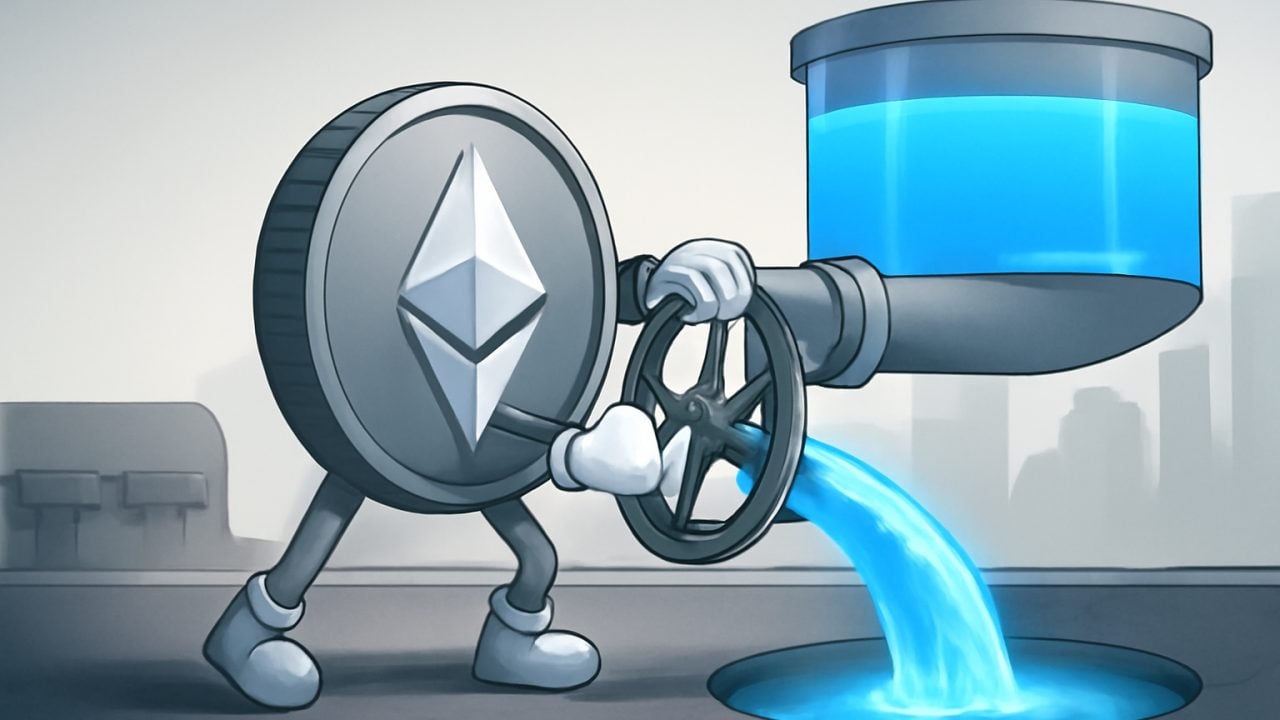
Where the Next Wave Could Come From
Retail catalysts that actually matter
Retail attention doesn’t reappear just because a line goes up. It usually takes product breakthroughs or cultural moments. A few plausible sparks:
- Consumer-friendly L2 apps with near-zero gas and clear benefits beyond speculation.
- Better wallet experiences that hide complexity without trapping users.
- On-chain media or gaming loops with genuine replay value, not just token gating.
Institutional expansions
On the professional side, more mandates can unlock as ETF track records lengthen and custody frameworks harden. Also, if staking gets wrapped in cleaner, regulator-friendly formats, allocators who can’t touch raw staking today may revisit it later.
Don’t ignore the boring stuff
Fee compression across ETFs, routing improvements on L2s, and more transparent MEV markets won’t hit headlines every day. But they change the baseline P&L for both users and desks. Sometimes the next wave starts with better plumbing.
Practical Checklist for Reading the Room
Triangulate flows, not just price
Price alone is a lagging barometer for attention. Track a few simple pillars together:
- ETF net flows over weekly and quarterly windows (confirm the trend, not a day).
- On-chain capital stickiness (TVL plus where it sits: lending, DEXs, restaking, L2 bridges).
- User energy proxies (active addresses, NFT volumes, new contract deployments).
- Derivatives tilt (open interest term structure, options skew).
- Funding or fee narratives (ETF fee wars, L2 sequencer revenues, gas spend).
When two of the five improve while others soften, you get mixed tapes like Q2 to July.
Risks & What Could Go Wrong
- Regulatory reversals or new constraints on staking, ETFs, or custody operations.
- Smart contract exploits or oracle failures that sour allocator confidence.
- Liquidity air pockets if ETFs face redemptions during macro stress.
- Fee or tax changes that undercut carry trades and structured products.
- L2 fragmentation leading to brittle user experiences and patchy liquidity.
- Retail re-risking into higher-beta chains, leaving Ethereum’s engagement flat.
No single metric drives Ethereum. Concentrating risk on one access route or narrative makes portfolios fragile.
If you want steady, sober coverage without the noise, Crypto Daily tracks ETF flows, on-chain shifts, and policy moves in one place. You can browse the latest analysis at Crypto Daily.
Frequently Asked Questions
Are institutions really buying while retail fades?
In pockets, yes. Weekly prints in early July showed net inflows into ether ETFs, noted by CoinDesk (Markets). But the quarterly tally was still negative per CoinDesk Research. It’s uneven, not one-way buying.
Why is Ethereum’s TVL high if NFTs are slow?
Different user bases. TVL reflects capital seated in DeFi and related protocols, which can be institutional or semi-professional. NFT volumes and active addresses are more retail-sensitive. As of July 15, 2026, TVL was around $41.069B, while 24-hour NFT volume was roughly $648K, per DeFiLlama.
Do ETF outflows mean bearish price action ahead?
Not automatically. ETF flows are one channel. They interact with on-chain activity, derivatives, and broader macro. Weekly inflows can offset earlier outflows, and vice versa. Treat them as a signal, not a verdict.
How should a long-term holder think about this attention gap?
Clarify your thesis. If it’s long-term infrastructure adoption, mixed retail metrics may matter less than developer traction and institutional rails. If your thesis is user growth, then watch L2 usage, fee trends, and new consumer apps.
What on-chain metrics best capture retail return?
There’s no perfect metric, but daily active addresses, small-ticket transfer counts, NFT secondary volumes, and new wallet cohorts help. Cross-referencing with L2 stats can give a better picture.
Is any of this financial advice?
No. This is commentary and research context. Crypto assets are volatile and carry risk, including market, smart contract, and regulatory risks. Do your own research.
Disclaimer: This article is provided for informational purposes only. It is not offered or intended to be used as legal, tax, investment, financial, or other advice.