
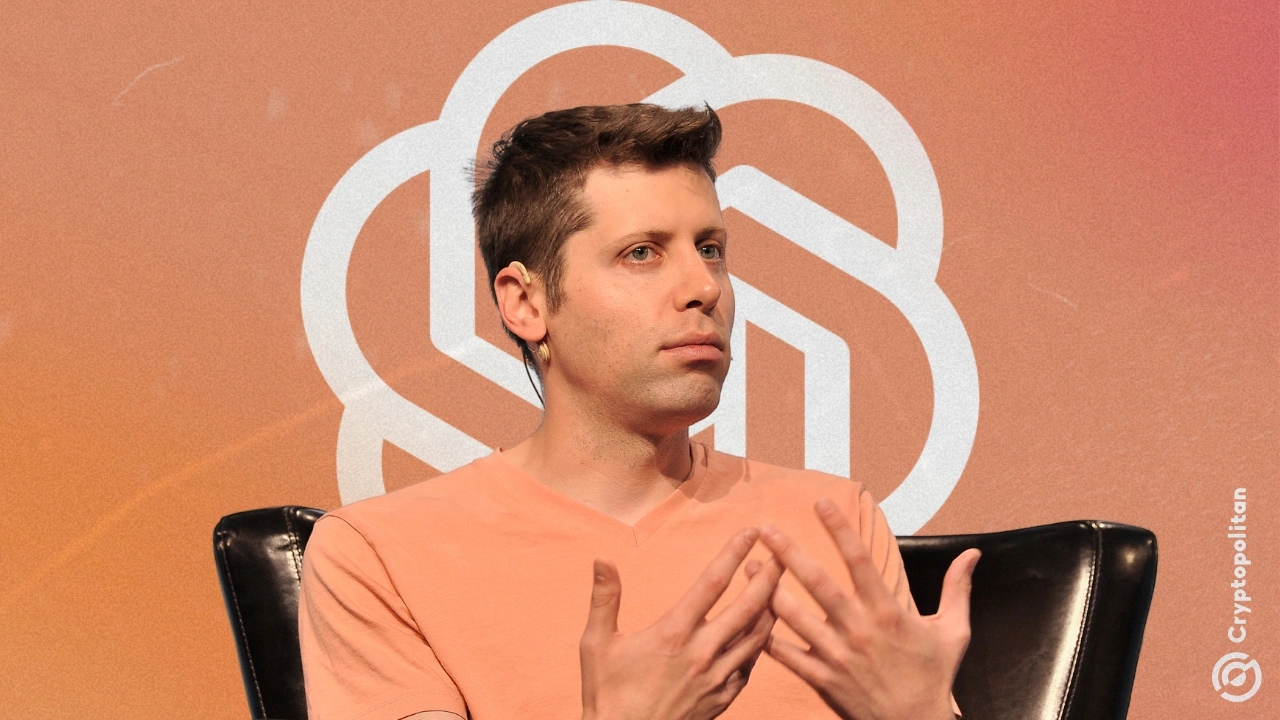
OpenAI has confidentially filed an S-1 registration statement for an initial public offering (IPO) with the US Securities and Exchange Commission. The move comes as competition among leading AI developers accelerates sharply, with rival firms such as Anthropic also moving toward public listings and investor enthusiasm for AI technologies reaching historic highs.
Why are AI companies turning to Wall Street?
At a time when the AI industry is spending billions on developing ever more powerful models, acquiring computing infrastructure, and securing access to advanced semiconductor chips, training and operating the latest AI systems requires colossal investments in data centers, graphics processing units (GPUs), and cloud infrastructure, as well as research talent.
With competition on the rise, companies need greater capital to stay afloat in the space. OpenAI is one of the leading players in the space, but it is now being challenged by competitors such as Anthropic, which recently filed a confidential IPO filing.
SpaceX, led by Elon Musk, also announced its IPO plans earlier this year. Thus, these developments indicate that the world’s most important private tech companies are now considering public markets to fund future growth.
AI is not just about innovation anymore, industry experts say. It is also about capital. Companies that can raise massive amounts of capital will be able to acquire computing power, hire top researchers, and make their products globally available.
For OpenAI, access to public funding could be another financial tool, as demand for AI products is growing across the software, healthcare, and finance sectors worldwide.
What could an OpenAI IPO mean for investors?
Lately, there has been speculation around the company’s IPO. In May, The Wall Street Journal reported that OpenAI was considering an IPO in September and had engaged major investment banks, Goldman Sachs and Morgan Stanley, to prepare for a public listing.
The reports followed Elon Musk’s lawsuit in which OpenAI had challenged its leadership. The legal settlement resolved a large uncertainty that some observers said could have made a public listing challenging.
OpenAI would likely be one of the most eagerly awaited tech offerings in recent years. Investors are so excited about artificial intelligence that, with more businesses and companies using it, it’s no surprise that they’re still very much interested in the future.
A public listing would also give investors direct access to one of the companies at the heart of the worldwide AI boom. And becoming public would also bring OpenAI under much more regulatory scrutiny—regarding financial disclosure and shareholder expectations.
OpenAI has not yet made investors aware of its IPO plans. But it is an extremely clear signal that, as competition to dominate AI becomes a larger factor for business, access to capital is just as important as technological breakthroughs now.
In the race to shape the future of AI, OpenAI is now taking the first official step toward a public listing and has all the financing in place.