


Robinhood Chain is live on mainnet as of July 1, 2026. It’s an Ethereum-compatible Layer 2 blockchain designed as blockchain infrastructure for tokenized financial assets and crypto swaps.
Its permissionless network supports onchain trading, including tokenized products representing some real-world assets rather than traditional brokerage holdings.
If you want to trade there, the setup is more hands-on than buying a stock inside a regular brokerage account. Your access to particular products depends on your country, the asset, your wallet, and Robinhood’s current eligibility rules.
I’ll show you how to access the chain, swap crypto, assess meme coins, understand stock tokens, and avoid obvious mistakes.
Let’s get into it!
Key highlights:
- Robinhood Chain is a permissionless Layer 2, but access to its products still depends on location and eligibility
- The wallet is the main consumer entry point for supported swaps and tokenized assets
- Meme coins trade through ecosystem apps, not a fixed list approved by Robinhood
- Stock Tokens can trade around the clock, but they aren’t the same as shares held in a brokerage account
- Before each transaction, check the contract, liquidity, slippage, and applicable fees
How To Trade on Robinhood Chain Safely
The simplest way to trade on Robinhood Chain is through Robinhood Wallet. Robinhood’s mainnet and stock-token announcement confirms that the wallet is central to its onchain product experience.
Start by downloading or updating the Robinhood Wallet. Create a wallet, or import an existing one only if you fully trust the recovery details. Then confirm that the wallet and your chosen asset are available in your country.
Access to Robinhood Crypto doesn’t necessarily mean you can use every Robinhood Chain product. Check current country availability, account requirements, and asset support before proceeding.
Fund the wallet with enough ETH for possible gas fees. ETH remains the gas asset behind the transaction flow, even when a promotion covers certain swaps.
Use Robinhood Wallet’s swap feature or connect the wallet to Robinhood Chain through a supported app. Choose the token pair, then review liquidity, trading volume, spreads, and slippage. Confirm only after the contract and price look right.
A basic automated market maker swap isn’t the same as limit orders. Any limit-order feature depends on the connected app, not necessarily the wallet.
I always start with a small test transaction. It costs less than fixing a mistake after sending a larger amount.
What You Need Before Making a Trade
You need:
- A compatible self-custody wallet
- ETH for possible fees
- Eligibility for your chosen product
- A clear idea of what you are buying
Read More: 11 Best Crypto Wallets
Self-custody changes the rules. Assets in your wallet are controlled by your recovery phrase and private keys. Traditional brokerage shares are held through a brokerage account under a different legal and custody structure.
Stock Tokens live in your wallet and can be traded around the clock where available. They should not be treated as direct ownership of U.S.-listed shares in a standard brokerage account.
Keep your recovery phrase offline. Never send it to a support agent, website, or chat account. Anyone with that phrase can take the wallet.
Where Crypto Swaps and Meme Coins Fit In
You can access meme coins on the chain through apps and protocols such as Pons, GMGN, and Uniswap. Some trades use a decentralized exchange, while ecosystem launchpads can surface new tokens.
For a closer look at these launchpads, see this guide to the Robinhood Chain meme coin launchpad. CASHCAT is a searchable example or case study, not an endorsement. Independently verify its contract, liquidity, and whether it’s currently available.
Meme coins paired with Robinhood Stock Tokens in liquidity pools are sometimes called stock-paired meme coins. That label doesn’t represent stock ownership or Robinhood approval.
The flow goes as usual:
- Select a pair
- Inspect the liquidity pools
- Set slippage
- Verify the contract
- Approve the transaction
- Make the swap
An automated market maker uses available liquidity to set the exchange rate.
But permissionless trading has a serious downside. Fake tokens, thin pools, honeypots, approval risks, and violent price moves can all sit next to legitimate projects. Stock-paired meme coins can carry these same risks, regardless of the Stock Token with which they are paired.
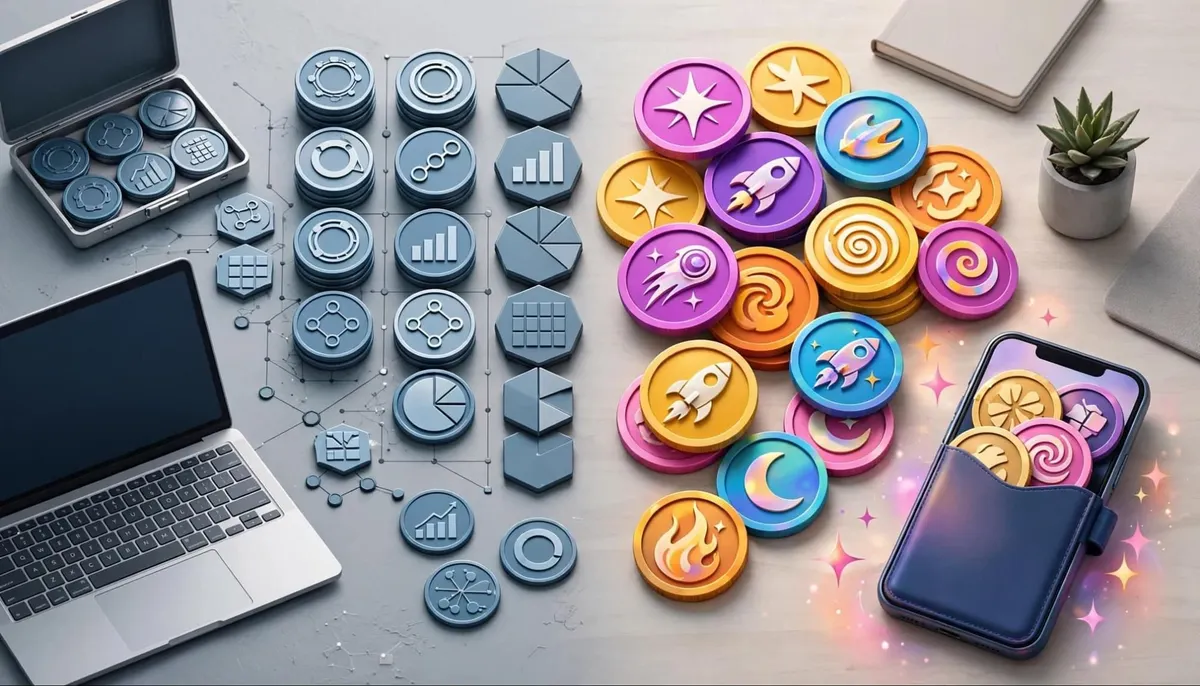
A token name and logo prove nothing. The contract address and underlying smart contracts are what matter.
I treat meme coins as speculation, not as serious investing. Meme coins can lose most or all of their value quickly.
Trade Stock Tokens, Crypto, and Other Assets
Robinhood Chain puts very different products in one wallet. That’s useful, but it can make digital assets seem more alike than they are.
Robinhood highlights Stock Tokens linked to companies including NVIDIA, Google, and Apple. Crypto swaps and bridge activity sit beside that experience. Robinhood’s newsroom coverage dates the public mainnet launch to July 1, 2026, but product access can change after launch.
Here is the practical difference.
| Asset type | Trading access | Main appeal | Main risk |
| Meme coins | Usually 24/7 | Fast-moving speculation | Extreme price volatility and scams |
| Stock Tokens | 24/7 where supported | Tokenized exposure to stocks | Access, liquidity, and issuer risks |
| Established crypto | Usually 24/7 | Deeper markets and trading volume | Large price swings and custody risk |
A tokenized stock, a meme coin, and ETH may all appear in one wallet, but they are not interchangeable products.
Some ecosystem interfaces may offer limit orders or stop orders. Don’t assume those controls exist for every Robinhood Chain asset or automated market maker. Swaps that use liquidity pools can work differently from brokerage-style trading.
How Stock Tokens Differ From Traditional Stocks
Stock Tokens are tokenized debt securities issued by Robinhood Assets (Jersey) Limited. They provide economic exposure to underlying securities and are backed 1:1 by corresponding underlying assets, but they aren’t the same as buying shares through a U.S. brokerage account.
They may offer self-custody and round-the-clock trading. Still, liquidity, redemption mechanics, and investor protections may differ from traditional share ownership. A token can trade above or below its reference value, which creates price premiums or discounts.
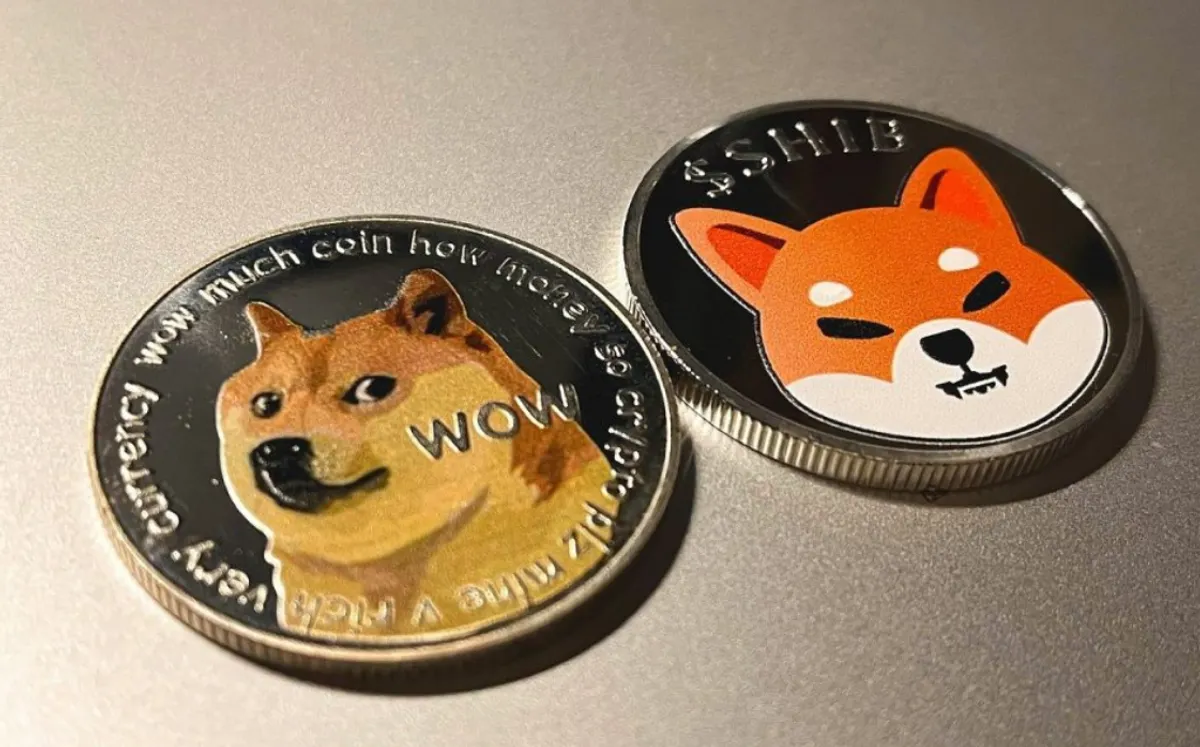
Thin trading volume can widen spreads and make exits harder. These products do not provide voting rights or direct ownership of the underlying companies.
Robinhood Crypto and Robinhood Wallet serve different functions, so don’t treat a brokerage or crypto-service interface as identical to a self-custody, onchain product.
Robinhood reported that Stock Tokens are available to eligible users in more than 120 countries through Robinhood Wallet, while Stock Tokens may not be offered or sold in the United States or to U.S. persons because of regulatory limits.
Robinhood Chain access rules can vary by country and product. Robinhood’s official technical documentation describes Robinhood Chain as an Ethereum-compatible Layer 2 built on Arbitrum Dedicated Blockchains.
Choosing Between Meme Coins, Stock Tokens, and Crypto
Start with the reason for the trade. If you’re chasing a viral move, you are dealing with meme-coin risk. Stock-paired meme coins trade in pools paired with Stock Tokens, but they don’t provide ownership of the underlying company.
If you want tokenized exposure to a known company, Stock Tokens may fit the idea better, subject to your location and product terms. Established crypto assets can have deeper liquidity, but that doesn’t make them safe.
Before trading, check whether the interface supports limit orders. Don’t assume an order type works for every asset or swap route.
Bitcoin, ETH, and stablecoins each have their own risks.
My rule is to understand the product before buying it. Use money you can afford to lose, and never buy solely because a token is trending. A stock-paired meme coin remains speculative, even when it is paired with a Stock Token linked to a familiar company.
Fees, Wallet Rules, and Risks to Check Before Trading
Robinhood is covering network fees for eligible swaps involving crypto or Stock Tokens on Robinhood Chain through 11:59 PM EST on September 29, 2026. The qualifying activity must happen inside Robinhood Wallet.
The minimum eligible swap value is above $0.50, after Robinhood lowered the earlier $5 threshold.
That doesn’t mean every action on the network is free. Wallet-to-wallet transfers, bridge transactions, dapp-browser activity, and trades made with third-party wallets are excluded. MetaMask and Rabby may work with the chain, but they don’t receive the fee subsidy.
Normal gas costs are paid in ETH. ETH-based gas fees can still apply outside the promotion.
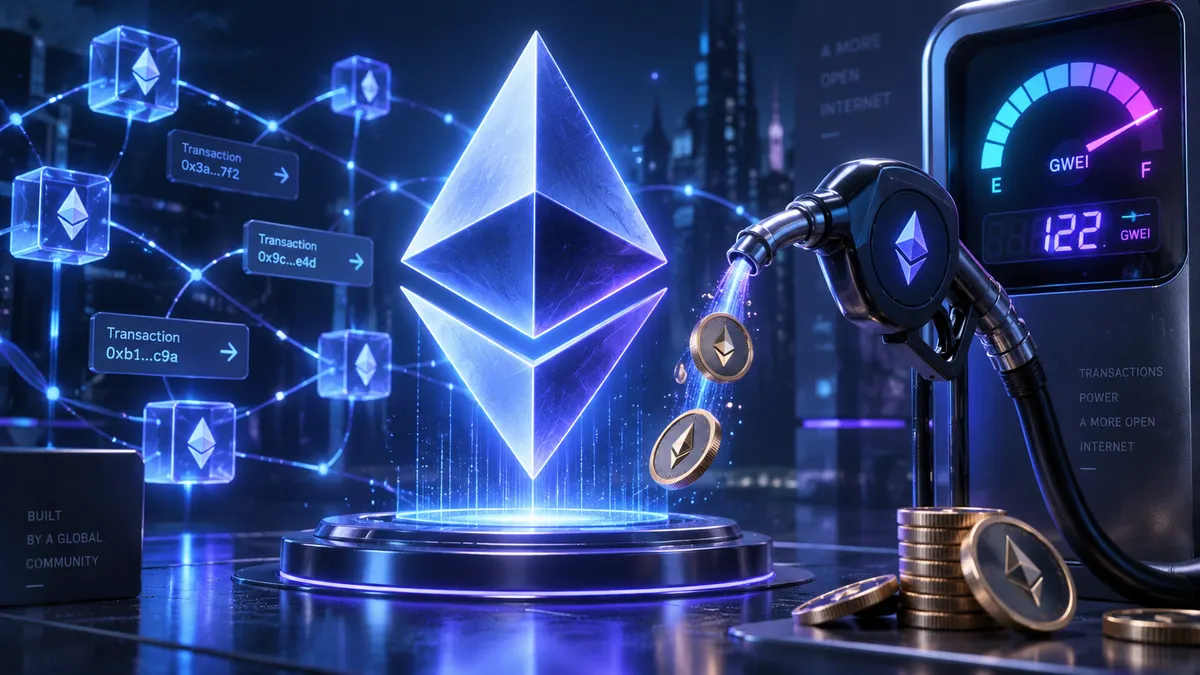
They include an L2 execution fee and an Ethereum L1 data fee, so the total can change with Robinhood Chain fee conditions, Ethereum congestion, and the transaction’s data size and complexity.
Robinhood Wallet also charges a swap fee of 0.80% for same-chain swaps and 0.73% for cross-chain swaps. Depending on the route, a 0x or LI.FI provider fee may also apply.
The Main Risks of Trading on Robinhood Chain
A transaction with sponsored gas can still lose money through price movement, spread, or failed execution. Trading volume and liquidity can affect the result more than the network fee.
Watch for bugs in smart contracts, fake token contracts, thin liquidity in liquidity pools, bridge risk, phishing pages, and sudden rule changes. Meme coins and stock-paired meme coins can be especially volatile, and equity-linked pairing doesn’t validate a token.
I verify the official contract address before buying. I also review token approvals, protect my recovery phrase, and never share private keys. If a site asks for either one, I leave.
A Simple Checklist Before Confirming a Swap
Before I confirm, I check the final screen instead of trusting the token name or logo.
- Confirm that the wallet is connected to the correct Robinhood Chain network
- Match the token contract address with an official project source
- Review the trade size, minimum amount received, and slippage setting
- Consider limit orders or stop orders if the connected application supports them. These controls aren’t automatically available for every swap
- Check the ETH balance and whether the transaction qualifies for fee coverage
- Consider trading volume when assessing potential slippage
- Verify the destination address for transfers and bridges
- Review token approvals before signing
- Save the transaction hash, then use a block explorer if the swap looks delayed or incomplete
That final review takes less than a minute. And it can prevent the most expensive kind of mistake.
The Bottom Line
Robinhood Chain brings self-custody, crypto swaps, Stock Tokens, and other assets together. Your experience still depends on your wallet, country, eligibility, and current fee rules.
Always start small, verify contracts and fees, and check trading volume. Confirm whether the connected application supports limit orders before assuming they’re available. Meme coins and stock-paired meme coins are highly speculative.
Pairing with a Stock Token doesn’t create stock ownership. Tokenized products tied to real-world assets can provide economic exposure without granting direct ownership.
Fees, price volatility, and execution conditions can affect results. Check Robinhood’s current terms, supported-asset information, and regional eligibility rules before trading, since these details can change.
Frequently Asked Questions
Can U.S. residents buy Stock Tokens on Robinhood?
No. Robinhood’s Stock Tokens may not be offered, sold, or delivered in the United States or to, or for the account or benefit of, U.S. persons under the current rules. Robinhood Chain is permissionless, but access to Robinhood products can still depend on location and regulation.
Availability and 24/7 access don’t guarantee deep trading volume. Check the wallet and current Robinhood terms before assuming a product is available.
Do I need ETH if Robinhood covers the swap fee?
You should still keep some ETH available. Fee coverage applies only to eligible swaps in the wallet during the promotion period, not every transaction you might make.
Bridging, sending tokens, and using third-party wallets may require normal network fees. Some connected applications may also support limit orders, but availability varies.
Can I use MetaMask or Rabby with Robinhood Chain?
Third-party EVM wallets such as MetaMask and Rabby may connect to supported chain apps. However, the launch fee subsidy is for Robinhood Wallet users, not a chain-wide benefit.
Are meme coins on Robinhood Chain reviewed by Robinhood?
No. Permissionless launchpads can list or create tokens without Robinhood reviewing every project. A meme coin paired with a Stock Token isn’t the same as a Stock Token.
Do your own contract checks and liquidity research. Meme coins can rise fast, but they can also become impossible to sell if liquidity disappears.
What happens when the gas subsidy ends?
Eligible wallet swaps are covered only through September 29, 2026, under the current promotion. After that, normal network fee rules can apply unless Robinhood announces a new offer.