
TLDR
- OpenAI signs multiyear enterprise deals with Accenture, BCG, McKinsey and Capgemini.
-
Frontier platform will guide firms in deploying AI agents across workflows.
-
Consulting partners will train staff and build certified practice groups.
-
Korean broadcasters file a copyright lawsuit alleging unauthorized content use.
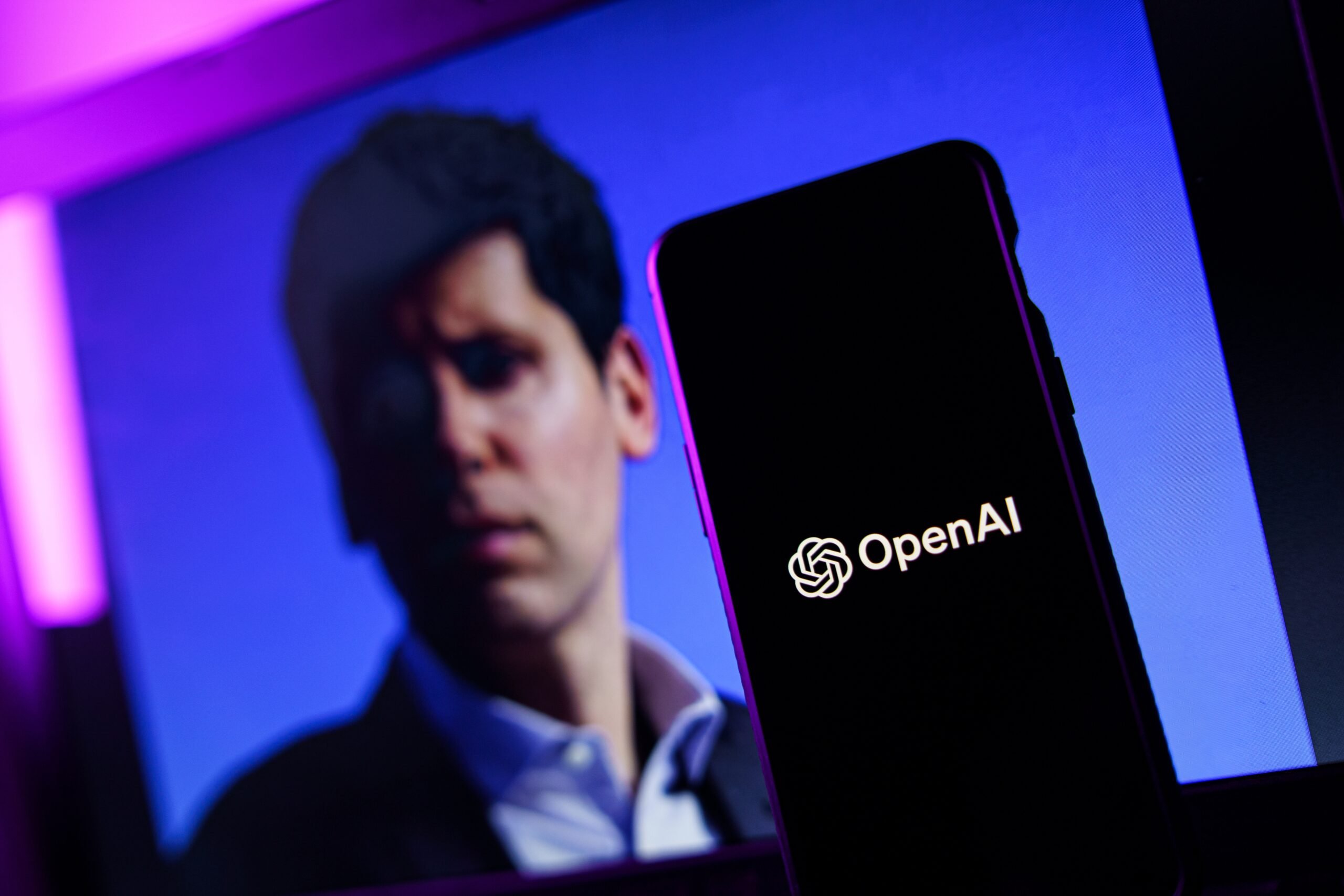
Sam Altman’s OpenAI has announced new multiyear partnerships with four major consulting firms. The agreements aim to help enterprises deploy artificial intelligence systems at scale through the company’s Frontier platform. The partnerships include Accenture, Boston Consulting Group, Capgemini and McKinsey. Each firm will work with OpenAI engineers to accelerate the use of AI agents across business operations.
The partnerships are part of an effort to move enterprise clients beyond initial trials. Many organizations now aim to integrate AI systems into daily workflows. OpenAI said that consulting firms bring long-standing relationships and domain experience that support this expansion. The company declined to release financial terms.
Frontier Platform Serves as Core Enterprise Layer
OpenAI introduced Frontier earlier this month. The platform serves as an intelligence layer designed to connect separate data systems inside a company. It allows organizations to manage and deploy AI agents that can perform tasks across functions such as software development, customer support and sales. These agents draw information from internal systems and work with shared memory.
Consulting teams will help firms build these applications and train staff. Denise Dresser, OpenAI’s chief revenue officer, said the alliances are intended to give enterprises a path toward adopting AI at scale. She said that companies want clear steps and reliable support to integrate the technology.
Accenture’s chief AI and data officer, Lan Guan, said the alliances reflect a moment when product developers and consulting organizations can work together. She said this cooperation can help enterprises realize value from AI more quickly.
OpenAI said that firms in the program will have access to product road maps and technical resources. The consulting partners are creating dedicated groups that will be certified on OpenAI tools. The teams will coordinate with OpenAI’s forward deployed engineers, who work inside client organizations.
OpenAI Growing Enterprise Focus Shapes Strategy
The enterprise market is an important area for OpenAI. According to the company, enterprise users represent about 40% of its business. It expects that number to grow to 50% by year-end. The company said demand for AI across industries continues to rise. It also said that many businesses want to maintain current systems while using AI to connect and streamline internal processes.

Dresser said that OpenAI does not plan to perform long-term operational work for clients. Instead, it aims to help firms become self-sufficient. She said that enterprises should be able to apply AI across products and services without depending on constant support.
The company faces competition from Google and Anthropic. Both have their own enterprise platforms and are working with large clients. OpenAI said its approach centers on close integration with existing systems and collaboration with consulting teams.
Korean Broadcasters File Copyright Lawsuit
As OpenAI expands its enterprise partnerships, it is also facing a lawsuit filed by three major South Korean broadcasters. KBS, MBC and SBS said that OpenAI used their content to train ChatGPT without permission. The broadcasters said that the company knew about paid licensing agreements with media outlets. They said OpenAI declined to negotiate, which they described as a discriminatory policy.
The Korean Broadcasters Association released a statement saying the lawsuit seeks to hold OpenAI accountable for alleged intellectual property breaches. The group said the case concerns the use of copyrighted content to train AI systems. The broadcasters said they want clearer agreements and stronger recognition of their rights.
OpenAI has not released a public comment about the lawsuit. The case comes during a period of increased debate about content rights and training methods used for generative systems.