
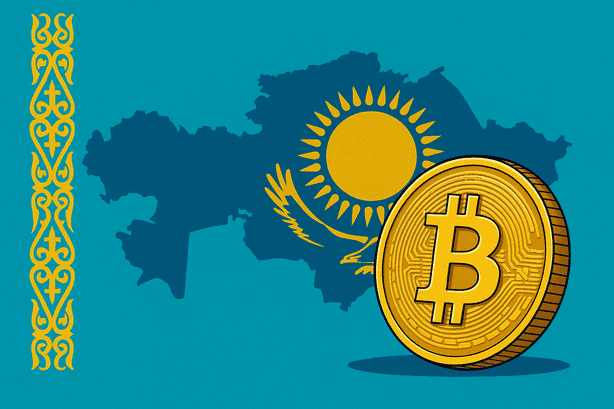
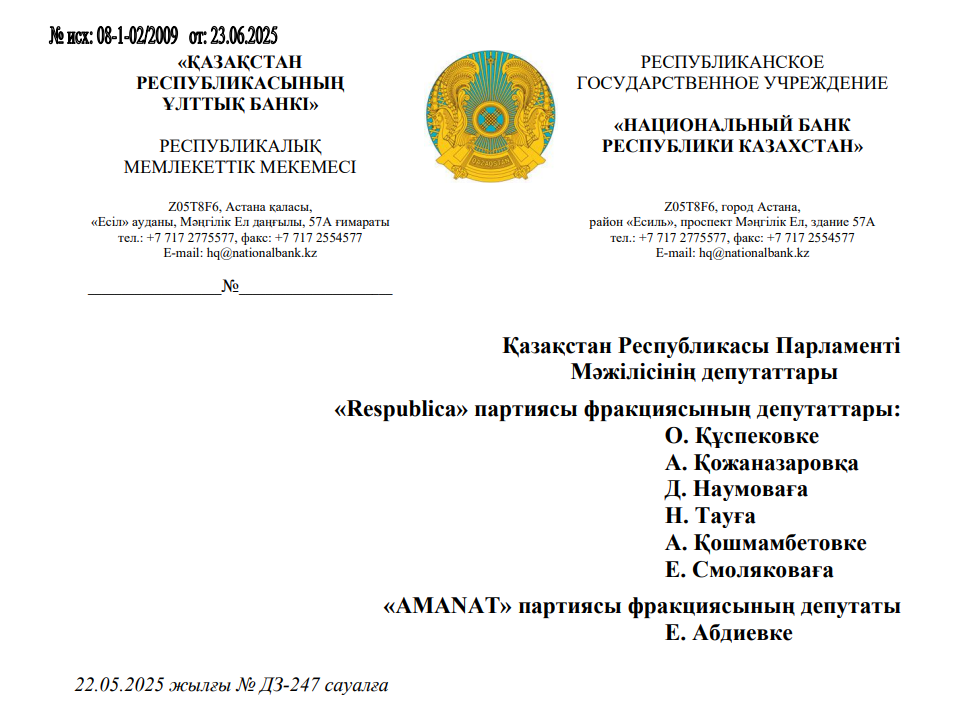
Kazakhstan is preparing to launch a state-run crypto reserve, according to a central bank document dated May 22, 2025. The bank submitted the response to Parliament in reply to a digital asset inquiry.
The reserve will likely use seized crypto assets and proceeds from government-linked mining. A national bank subsidiary that handles alternative investments may manage the fund.
Timur Suleimenov, Chairman of the Kazakhstan central bank, said a centralized approach is necessary due to the volatility of crypto. He explained that oversight will be tighter under a state body.
The Kazakhstan crypto reserve will follow international practices. The project is still under review, and no launch timeline has been disclosed.
CryptoCity Kazakhstan Launches as Oversight Rises
In May, President Kassym-Jomart Tokayev introduced CryptoCity Kazakhstan, a special zone where users can make purchases using crypto. The area will serve as a pilot for wider adoption.
Kanysh Tuleushin, First Vice Minister of Digital Development, said simplified rules could help the country become a key player in the regional crypto market.
Alongside adoption plans, Kazakhstan is also taking enforcement measures. In 2024, authorities shut down 36 unlicensed crypto exchanges. Officials said the action was part of a broader strategy to improve regulatory control.
National Cryptocurrency Reserves Gain Global Traction
Other regions are also forming national cryptocurrency reserves. In the United States, Texas Governor Greg Abbott signed a bill in June 2025 establishing the Texas Bitcoin reserve. This allows the state to hold Bitcoin under a formal program.
In India, Pradeep Bhandari, spokesperson for the ruling BJP party, proposed a Bitcoin reserve pilot India and called for policy clarity on crypto holdings.
In Washington, Senator Cynthia Lummis stated that parts of the U.S. military are studying Bitcoin reserves to address financial system vulnerabilities.
As countries test ways to incorporate crypto into their financial systems, Kazakhstan Bitcoin plan joins a growing list of efforts focused on state-held digital assets.